Projects
SPEAK-Phonology
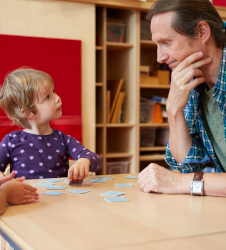
The research project SPEAK-Phonology is a part of the joint project SPEAK (https://www.validierungsfoerderung.de/validierungsprojekte/speak). This part of the project focuses on developing standard values for a nonword repetiton test that was specifically constructed with multilingual children in mind. Standard values will be calculated for multilingual children between the ages of 4 and 8 and will take their individual biographies of acquisition into account.
SprachFit
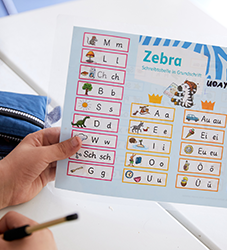
The acquisition of language skills is essential for overall child development. The “SprachFit” initiative aims to identify language deficits in children at an early stage and provide targeted support. The accompanying scientific evaluation study examines the implementation of the initiative and its impact on child development.
Sprachförderprofis
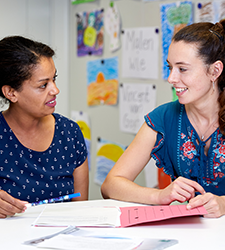
The project Sprachförderprofis offers a joint training program for kindergarten and elementary school teachers. The teachers learn to plan language support settings in small groups based on current insights from linguistics and language acquisition.

SprachHabitus
The project SprachHabitus investigates how educators respond to language support programs and integrate them in their daily work especially in daycare centers with a large number of children with a migration background.

SpröM
The project SpröM evaluated the longitudinal effects of kindergarten support programs with regard to linguistic and metalinguistic competencies.

StaLApp
The StarLApp project is about the research-based development and qualitative research of the pre-version of an app for statistical learning in primary schools. The app is to be designed with regard to a learning path derived from theory and encourage learners to reason with statistical data.
Startchancen SRL
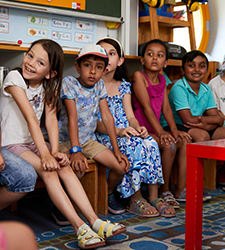
As part of the scientific research accompanying the Startchancen programme, we are investigating how self-regulated learning can be promoted – especially among children from socially disadvantaged backgrounds.
Step-by-Step
A broad variety of professional modules, based on the psychoanalytical and interdisciplinary trauma research on the one hand and socio-pedagogical and educational concepts on the other hand, has been intended to offer “first steps” as a sort of first aid in the initial refugee reception Michaelisdorf and to initiate “second steps” to support the immediate and sustaining integration into Germany at the same time.

Stereo-Disk
The project analyses the significance of stereotypes for the quality of support-related diagnostics in the inclusive school context and develops support formats that reduce their influence.
Stereo-no-GO
The Stereo-no-GO project investigates gender and background inequalities in STEM and participation in gifted education programmes.