Projects
Adaptive Education
To the project browser
IGEL
The project IGEL aims at evaluating three different teaching approaches (scaffolding instructional discourse, formative assessment, and peer-assisted learning) in primary school science education.
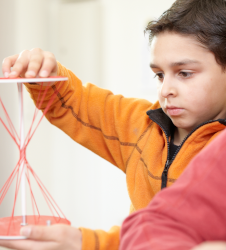
Hector
Hector Children’s Academies are extracurricular institutions that offer support to gifted children under the age of ten; they endorse a holistic approach. The aim of the project is a scientific monitoring of the support program. This includes the support of the implementation, the evaluation of the courses offered and the investigation of related scientific questions.

FLORI
The project FLORI focused on promoting reading fluency development in elementary school children.

FILU
The project FILU addressed sensitive interactional behaviour and the arrangement of learning environments for children at home.
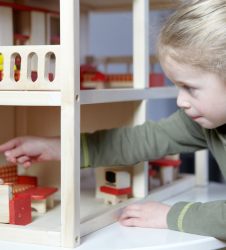
EVA
The project EVA compares the effects of two established prevention programs – FAUSTLOS (“FISTLESS”) and EARLY STEPS in a sample of high risk children in kindergarten.
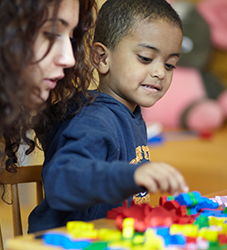
FIRST STEPS
The project FIRST STEPS is an early prevention project for families with an immigrant background aiming to sustainably support social integration of toddlers (0-3) .
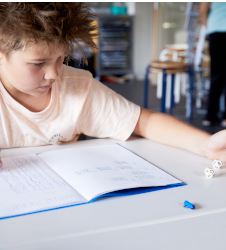
BÄRENstark!
The project BÄRENstark! investigated the cognitive causes of learning difficulties in basic scholastic competencies such as reading, spelling, and calculating.

NEIS
Project NEIS is concerned with the development of self-regulatory skills – the ability to perform goal-oriented behavior – in children aged between 5 and 8 years.
ADHD
The project ADHD studied various aspects of Attention-Deficit Hyperactivity Disorder (ADHD) and self-regulation.