Projects
EDUCAREplus
The research project aims at a better understanding of the persisting social inequality in children’s school success. The main focus is on socioeconomic differences in attitudes, beliefs, and practices of children, parents, and educators with regard to education and care in early and middle childhood.
EiKlar
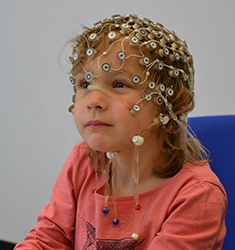
The aim of the project is to use neurophysiological measures to better understand cognitive, affective and behavioural teaching-learning processes in the classroom and to relate them to different teaching methods and quality characteristics.
elbe
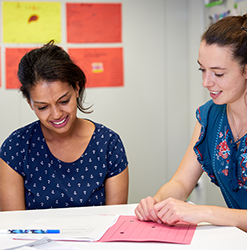
The project elbe addressed the cooperation of teachers and parents, focusing in particular on parental counseling.
ELF int.
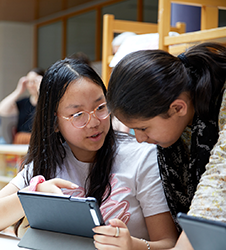
The project ELF int. aims to analyze the procedure for estimating length with a view to accuracy in an international comparison.
ELSE 3-6
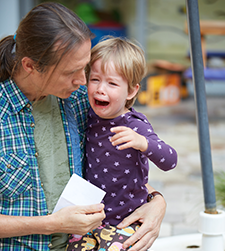
Within the framework of ELSE 3–6, a digital evidence-based parenting programme is developed, implemented and accompanied by ongoing research. The programme provides parents with knowledge and practical strategies to support socio-emotional development in children aged 3–6, including emotions, emotion regulation, social skills, and coping with challenges.

EMiL
The project EMiL analyzed the importance of social and ethnic characteristics of children in primary school age in the German educational system.

EMMA
The EMMA project investigates what emotions children report after failures, how children adjust their goals after failures, and the role of emotions and evaluation of failure in goal adjustment.

erStMaL
The erStMaL project is a long-term study that investigates the development of mathematical thinking in children from kindergarten until the second grade of elementary school by using mathematical situations of play and exploration.
ESel
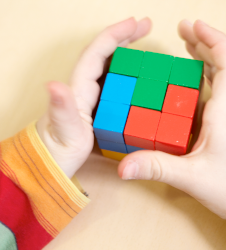
We use meta-analyses and systematic reviews to investigate the effectiveness and conditions for success of self-regulation training. The meta-analyses focus on different training features (e.g. use of learning diaries) or different target groups (e.g. learners with ADHD).
ESKOM-Ü4
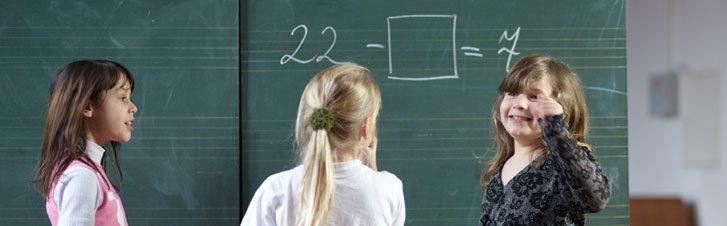
The project addresses the educational decision between different tracks of secondary education in German and Turkish-origin families.